
1Ten minutes with the menu, and they still pick the safe thing
The companion points them to the dish you'd want them to try.
2Your servers answer the same three questions all night
Now the menu answers them, and your team goes back to hosting.
3One allergy, and the whole table stalls
It asks first — language, allergies, first visit or not, where they're from, what they avoid, what sounds good — then recommends only what fits.
1Ten minutes with the menu, and they still pick the safe thing
The companion points them to the dish you'd want them to try.
2Your servers answer the same three questions all night
Now the menu answers them, and your team goes back to hosting.
3One allergy, and the whole table stalls
It asks first — language, allergies, first visit or not, where they're from, what they avoid, what sounds good — then recommends only what fits.
I wrote down 100 questions guests ask about a menu. A printed one answers none. Rumizi answers all of them at the table, in your guest's own language — so your team gets to host instead of explain.
See it on your own menuTry a real one
Not a mockup. This is Dante Sandwich's companion, live — the same one their guests use in Vancouver. Every menu I build works like this one.
Ask it something hard
Try "what's safe if I'm celiac?" or "what should two of us order?" — the questions your servers field all night.
What owners ask me first
- Isn't this just a QR menu?
- Same idea, one difference: a QR menu is something guests read — this is something they can ask. It's your menu with someone standing beside it who has read it a thousand times: what's different about these two, what to order if I don't eat pork, what goes with it, and all of it in Mandarin. The menu doesn't change. The asking is what's new.
- I don't have time to set this up.
- You don't set it up. Send me a photo of your menu. I build it.
- What if it gets an allergy wrong?
- It asks about allergies before it recommends anything, and keeps those dishes out of its picks. It answers only from the menu you approve — it doesn't guess from the internet — and it never calls a dish allergen-free: when a dish might be a problem, it sends them to your server to confirm.
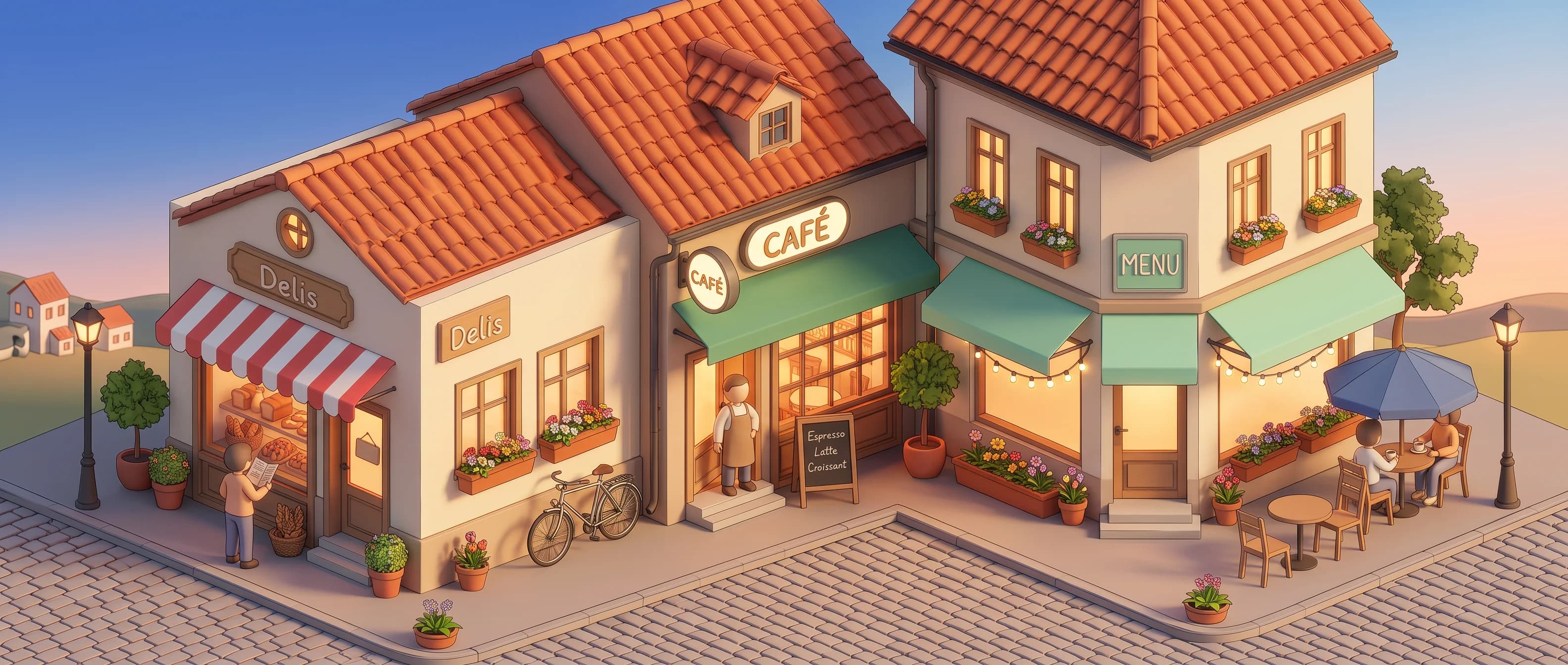
I opened a café called Delis, and every tool for putting my menu online was complicated, expensive, or built by people who had never run a café. So I built Rumizi myself — and I still build every menu on it by hand.
PS — if you'd rather just see it working first, try the Dante Sandwich menu above and ask it the meanest question you can think of.